
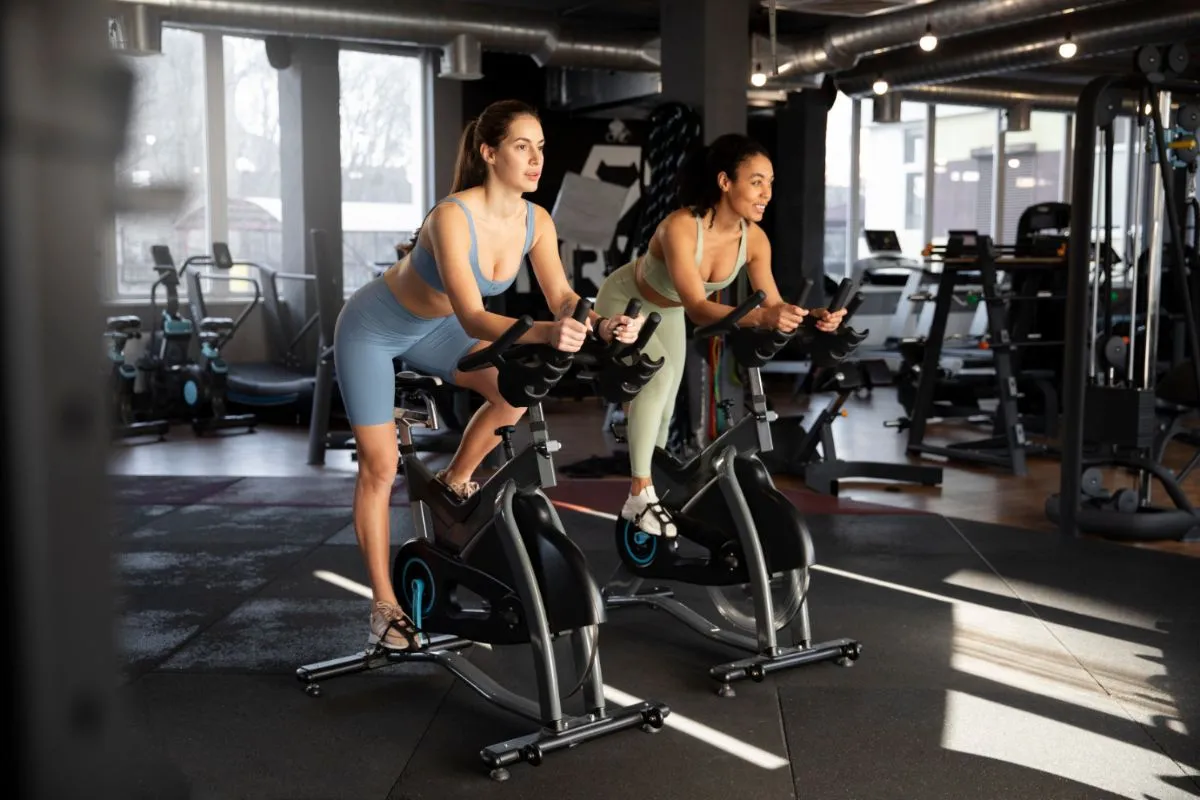
Singapore’s mall culture is one of the strongest in Asia. With a high density of shopping centres, integrated transport hubs and mixed use developments, malls have become community spaces rather than just retail destinations. Over the past decade, a major shift has taken place within these environments. Fitness studios are no longer minor tenants located in quiet corners. They are now key anchors that influence foot traffic, tenant mix and mall design. As more people explore fitness classes singapore located within major malls, the relationship between fitness and retail continues to evolve.
Fitness studios today are part of a larger ecosystem of lifestyle behaviour. Instead of simply offering workouts, they draw consistent daily visitors, extend dwell time, stimulate spending in neighbouring stores and increase the relevance of malls as multifunctional spaces. This shift has changed how mall planners, developers and landlords design their spaces, allocate floor levels and shape tenant experiences.
Why Fitness Studios Became Mall Anchors in Singapore
Singaporeans spend significant time in malls due to weather conditions, convenient transport integration and diverse offerings. While traditional retail once dominated, consumer behaviour has changed. People now value experiences, wellness and community interaction.
Fitness studios support these priorities because they attract consistent traffic throughout the day. Unlike many retail stores that peak only during weekends or evenings, fitness studios maintain steady footfall from morning to night. This gives malls predictable activity patterns which strengthen their economic resilience.
How Singapore’s Urban Design Encourages Mall Based Fitness
Singapore’s urban planning blends residential, commercial and recreational zones. Malls serve as accessible hubs for these functions. The MRT network runs through or beside many malls which makes studios extremely convenient.
Common advantages include:
-
Easy access during commute
-
Indoor, climate controlled environments
-
Immediate access to food, shopping and services
-
Safer and more comfortable movement for all ages
This integration allows people to make fitness part of their routine rather than a separate destination.
Why Malls Prefer Fitness Studios as Tenants
From a landlord’s perspective, fitness studios stabilise revenue and increase shopper engagement.
Reliable Daily Traffic
Fitness studios fill morning, midday and late evening time slots. This improves overall mall vibrancy.
Higher Customer Loyalty
Members return multiple times per week, creating habitual footfall.
Improved Retail Synergy
People visiting for workouts often buy food, activewear or personal care items afterwards.
Longer Dwell Time
Fitness users often stay longer in malls, whether eating, shopping or meeting friends.
These trends reposition studios as essential contributors to mall economics.
How Fitness Studios Influence Mall Layouts
As fitness usage increases, mall layouts are being redesigned to support this growing sector.
Large Floor Plates
Studios require open spaces for group classes, equipment zones and reception areas. Malls now allocate larger spaces on higher floors or basement levels to meet these needs.
Improved Soundproofing
Group workouts require music and instructor cues. Mall planners invest in acoustic insulation to minimise sound leakage.
Enhanced Ventilation Systems
Heat and moisture load from group training demand stronger ventilation and air circulation systems.
Dedicated Access Routes
Some malls create direct escalator or lift access to studios so members can enter quickly.
Adjacent Facilities
Showers, lockers, hydration points and wellness retail stores are increasingly located near fitness tenants.
Why Fitness Studios Strengthen Mall Ecosystems
Fitness tenants generate stable engagement patterns that benefit neighbouring businesses.
Boosting Food and Beverage Outlets
People often look for healthy meals, smoothies or coffee before or after class.
Strengthening Retail Categories
Activewear stores, sports equipment brands and lifestyle retailers benefit from increased exposure.
Supporting Wellness Services
Physiotherapy, massage, beauty and recovery services cluster near fitness studios to capture related demand.
Driving Weekend and Off Peak Traffic
Unlike many tenants, fitness studios bring traffic on weekday mornings, late evenings and off peak windows.
How Singaporeans Use Mall Based Fitness in Daily Life
Malls are more than shopping locations. They offer comfortable, safe and accessible environments for all ages. Fitness studios inside malls add functional value to daily routines.
Commuters
People train before heading to work or after leaving the office.
Students
They attend classes between lectures or after school.
Families
Parents drop their children for enrichment classes while attending a workout.
Seniors
Mall based studios provide safer walking distances and comfortable facilities.
How Mall Based Fitness Affects Retail Planning Trends
As fitness becomes a major driver of mall footfall, developers plan around this behaviour.
Multi Level Experience Zones
Fitness studios often anchor wellness themed floors that include spas, beauty retailers and health food outlets.
Event Spaces
Some malls host fitness events, workshops or open classes which boost engagement.
Mixed Use Developments
Fitness now integrates into residential commercial clusters with shared amenities.
These trends create malls that feel like lifestyle centres rather than pure retail environments.
How Technology Enhances Fitness in Malls
Technology driven training methods attract younger demographics. Features like motion capture, digital coaching or interactive screens enhance the mall’s overall modern appeal. Malls that house tech forward studios signal a commitment to innovation, which increases tenant desirability.
Sustainability and Mall Based Fitness
Many malls in Singapore incorporate green certifications and energy efficient designs. Fitness studios align with this because they encourage healthy habits, reduce reliance on cars and help people make positive lifestyle choices.
Examples of sustainability influences include:
-
Studios located near MRT lines
-
Walkable mall connections
-
Energy efficient ventilation
-
Low energy lighting in studios
These improve long term environmental performance.
How Fitness Studios Shape Social Interaction in Malls
Fitness studios create social communities that extend beyond traditional mall usage.
Group Identity
Members often meet for meals, drinks or shopping after sessions.
Community Events
Studios sometimes host charity runs, challenges or education workshops inside mall spaces.
Shared Motivation
People enjoy the sense of belonging that group classes create.
This encourages repeat visits and strengthens mall loyalty.
Why Mall Based Fitness Will Continue Growing
Singapore’s combination of efficient transport, climate control, safety and lifestyle demand makes mall based fitness a lasting trend. People want convenience. They want exercise to fit naturally into their movements throughout the day. Malls provide the perfect setting for this integration.
Strong demand also encourages malls to innovate by redesigning spaces, building amenities and creating long term partnerships with fitness operators. As the industry grows, studios may occupy larger areas, introduce more specialised programmes or integrate smart technologies.
Many individuals looking for established, structured environments choose places such as True Fitness Singapore where accessibility, class variety and mall integration support long term consistency.
FAQ
Why are fitness studios located inside malls rather than standalone buildings?
Malls offer high accessibility, climate protection and consistent foot traffic which support business sustainability.
Do mall based fitness studios get too crowded?
Peak hours fill up faster, but off peak sessions are usually quieter.
Are mall fitness classes suitable for beginners?
Yes. Most studios offer multi level classes and clear instructions.
Does training in a mall feel different from training outdoors?
Indoor environments offer controlled temperature and convenience which many people prefer.
Will mall based fitness continue to grow in Singapore?
Yes. It aligns with urban planning, lifestyle habits and transport connectivity.
