
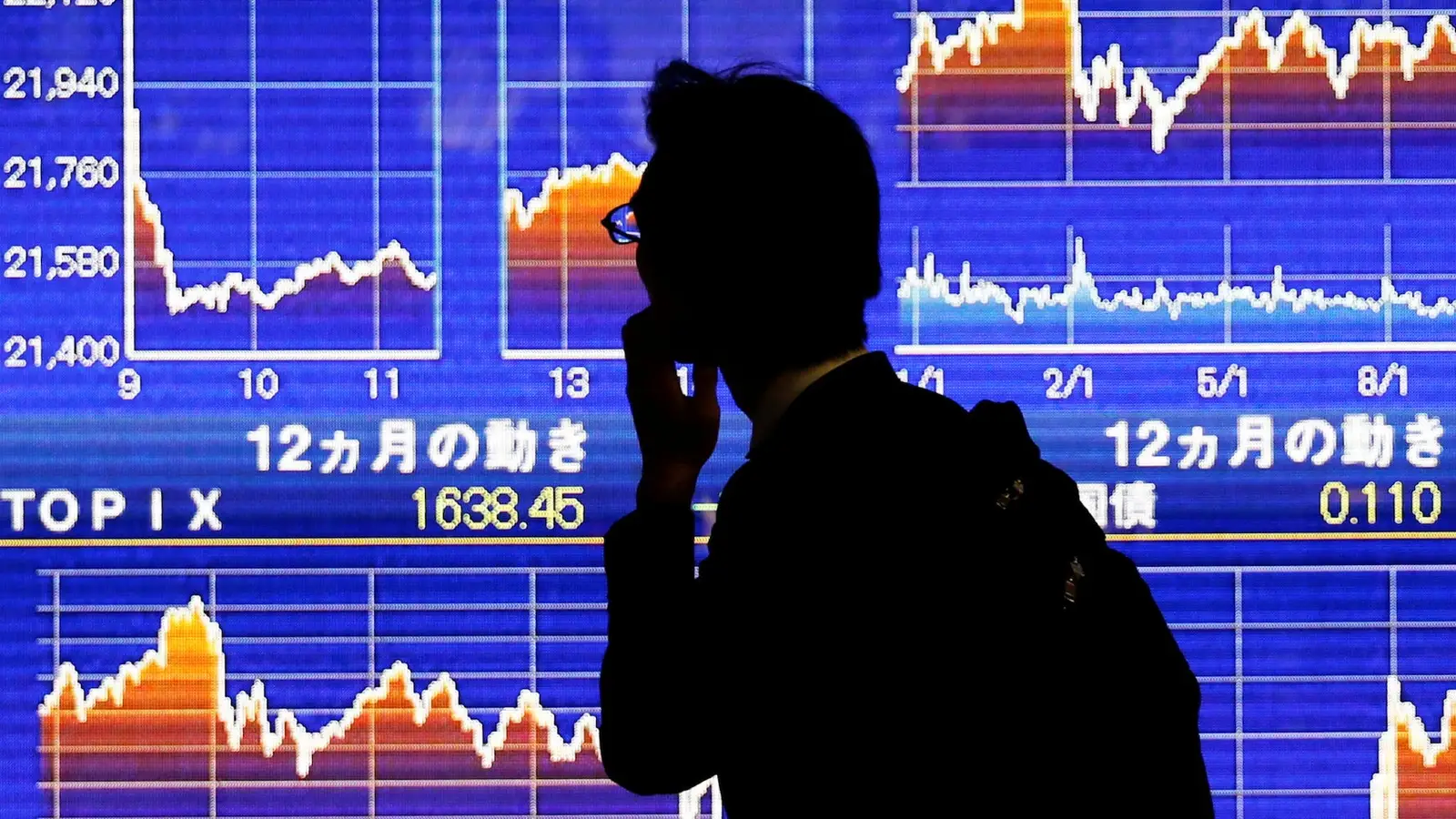
Market uncertainty has a way of exposing what investors truly understand about money. When prices rise steadily, almost any strategy can appear sensible. When markets become volatile, however, assumptions are tested, emotions become harder to manage, and the importance of preparation becomes impossible to ignore. For Japan’s new generation of investors, these conditions offer an unusual opportunity to learn lessons that can remain valuable long after a particular period of instability has passed.
Japan has a distinctive investment environment shaped by changing demographics, evolving monetary conditions, rising interest in household investing, and a long history of periods when traditional assumptions about saving and investing were challenged. Younger investors entering the market today therefore have more to consider than simply finding assets that might rise in value. They are learning how to manage uncertainty, evaluate risk, and build financial habits that can withstand changing economic conditions.
Uncertainty Is Part of Investing
One of the most important lessons market uncertainty can teach is that volatility is not an unusual interruption to investing. It is part of investing. Stock prices can respond quickly to interest-rate expectations, economic data, corporate earnings, geopolitical developments, currency movements, and investor sentiment. Even experienced professionals cannot consistently predict every short-term market movement.
This is particularly important for younger investors who may have encountered investing primarily through social media, financial apps, or online communities. Easy access to information can be useful, but it can also create the impression that every market movement has an obvious explanation and that the next move can be predicted. In reality, financial markets incorporate enormous amounts of information, often with competing interpretations.
Diversification Provides Perspective
Market turbulence can also demonstrate why diversification matters. An investor whose entire portfolio depends on one company, sector, country, or asset class can experience a much sharper impact when conditions change. Holding a range of investments does not guarantee protection from losses, but it can reduce dependence on any single source of return.
For Japanese investors, diversification can also involve thinking beyond domestic markets. Japan is home to many internationally significant companies, yet global equities, bonds, and other assets can provide exposure to different economies and industries. Currency movements must also be considered because overseas investments introduce foreign-exchange risk alongside potential diversification benefits.
The principle is not simply to own as many investments as possible. Effective diversification is about understanding how different holdings may behave under different circumstances. Before adding another asset, investors can consider whether it genuinely changes the portfolio’s risk characteristics or merely creates the appearance of variety. Resources that explain different investment approaches can be useful for building this understanding, and investors interested in exploring additional information can check here for further context.
Emotions Can Be Expensive
Periods of uncertainty often reveal another challenge: the emotional side of investing. A falling market can create an intense urge to sell, while a rapidly rising asset can produce fear of missing out. Neither reaction necessarily reflects a change in an investor’s long-term financial circumstances, yet both can lead to decisions that are difficult to reverse.
Younger investors may be especially exposed to this pressure because financial information is now available continuously. Market updates, notifications, commentary, and social-media discussions can make temporary price movements feel much more significant than they are. Watching a portfolio every few minutes can encourage investors to respond to noise rather than meaningful changes in their underlying financial plan.
Developing a written investment plan can provide an important counterweight to emotional decision-making. It can establish the purpose of the portfolio, expected investment horizon, acceptable level of risk, and circumstances that would justify a change. This does not mean investors should ignore new information. Instead, it creates a framework for deciding whether new information actually requires action.
Financial Knowledge Is a Long-Term Asset
Market uncertainty also highlights the value of financial education. Understanding concepts such as compound growth, inflation, diversification, asset allocation, fees, taxes, liquidity, and risk can make market movements easier to interpret. Investors do not need to become professional analysts, but they benefit from knowing what they own and why they own it.
Japan’s changing investment landscape makes this particularly relevant for a new generation. As households become more engaged with investment products and tax-advantaged savings opportunities, the ability to distinguish between long-term investing and short-term speculation becomes increasingly important. Government initiatives and financial institutions have helped broaden awareness of investing, but individual investors still need to evaluate whether a particular product is appropriate for their circumstances.
Conclusion
Japan’s new generation of investors is entering a financial environment that offers greater access to markets and information while presenting its own challenges. Market uncertainty can be uncomfortable, but it can also teach practical lessons about diversification, emotional discipline, financial education, and long-term planning. These lessons extend far beyond Japan and can apply to anyone building wealth in an unpredictable economic environment.
Investing is not a contest to predict every market movement. It is a process of making informed decisions with incomplete information and remaining committed to a strategy that reflects personal circumstances and goals. By treating uncertainty as something to prepare for rather than something to fear, younger investors can develop habits that support greater confidence and financial resilience over time.
